
 2026-10-23 10-21
“THE PATH TO THE FUTURE — THROUGH FOREIGN LANGUAGES”: A NEW STAGE IN COOPERATION BETWEEN UZSWLU AND GENERAL EDUCATION SCHOOLS
Promoting in-depth foreign language learning from an early age, introducing modern teaching methodologies into practice, and expanding young people’s future educational and professional opportunities are the main objectives of the “The Path to the Future — Through Foreign Languages” initiative implemented by the Uzbekistan State World Languages University (UzSWLU).
Today, proficiency in foreign languages plays an important role in enabling young people to receive quality education, participate in international educational programmes, and establish themselves in the labour market in the future. In this regard, one of the key priorities is to foster schoolchildren’s interest in language learning from an early age, reinforce their theoretical knowledge through practical skills, and create the necessary conditions for the use of modern teaching methods.
The “The Path to the Future — Through Foreign Languages” initiative, launched by the Uzbekistan State World Languages University, is specifically aimed at achieving these objectives. As part of the initiative, Foreign Language Development and Teaching Centres are being established in general education schools across Tashkent city and the Tashkent region. This initiative is intended to strengthen cooperation between schools and higher education institutions, apply the university’s academic and methodological expertise to school education, and create additional learning opportunities for pupils.
New Centres — New Opportunities
On 21–22 October 2026, Foreign Language Development and Teaching Centres were inaugurated at several general education schools as part of the initiative.
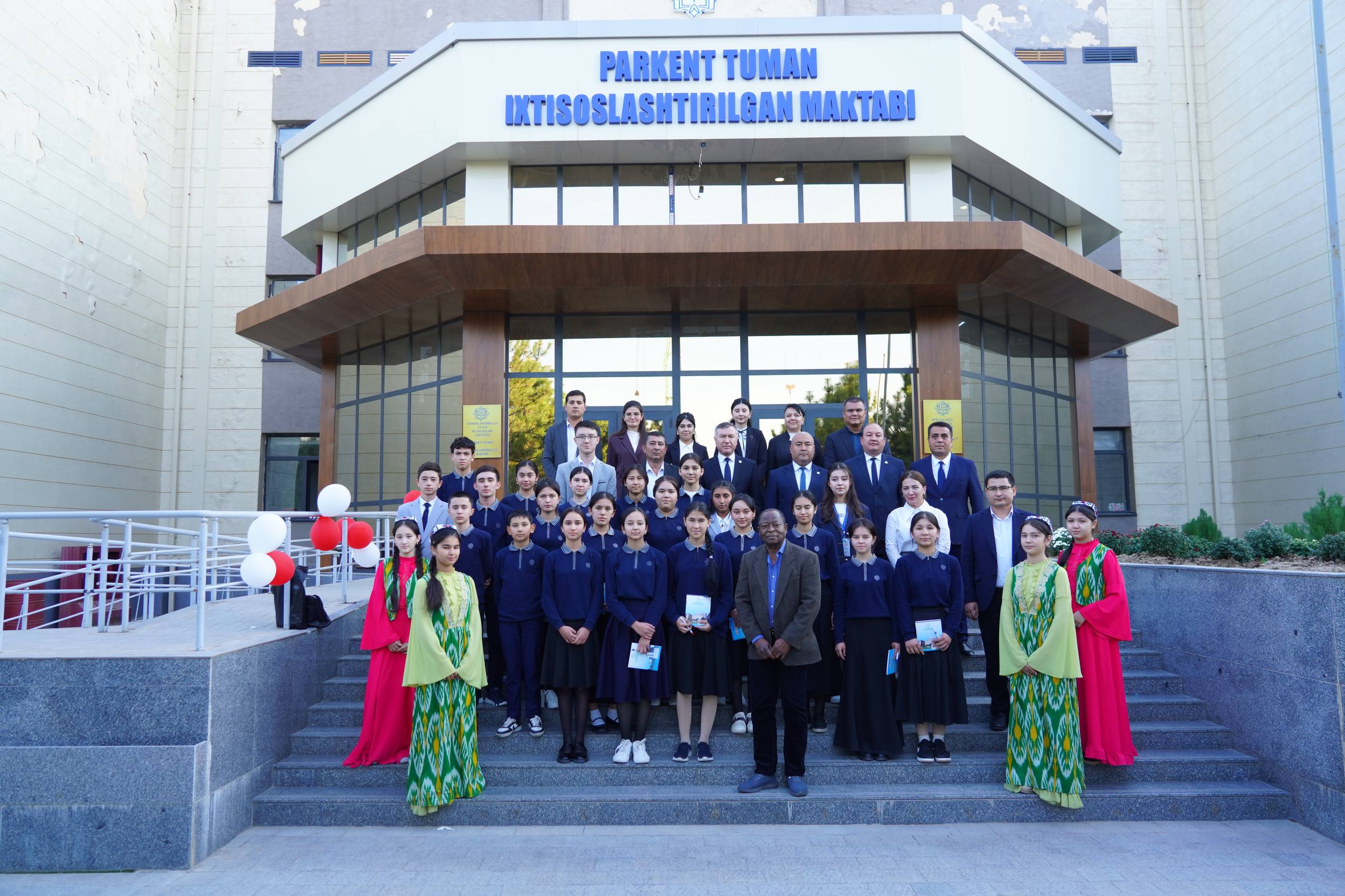
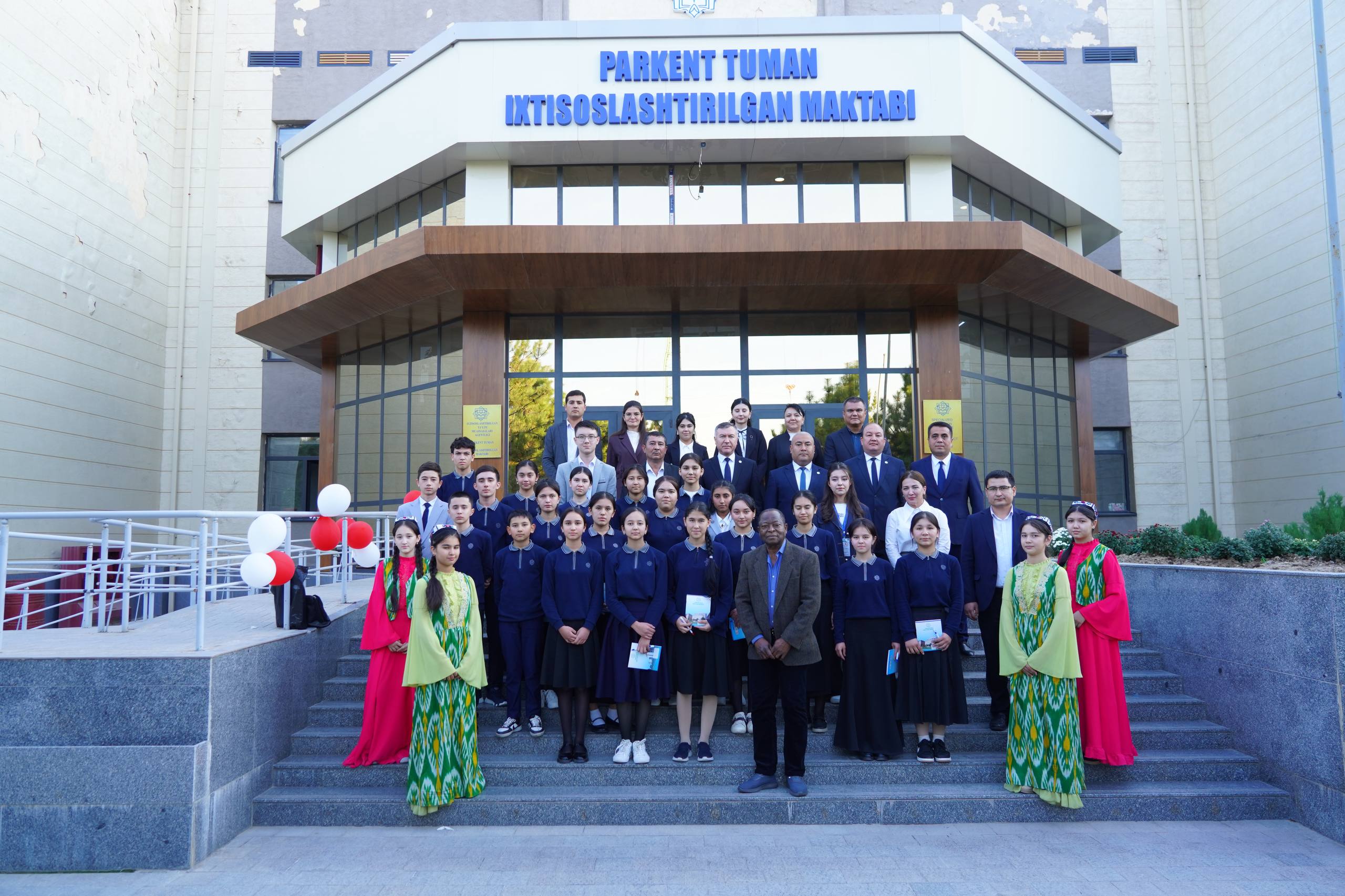
On 21 October, new centres were launched at School No. 280 in Chilanzar District, School No. 41 in Shaykhantahur District, and School No. 277 in Sergeli District of Tashkent city. On 22 October, opening ceremonies were held at School No. 81 in Uchtepa District, a specialised school in Parkent District, and School No. 20.
The events were attended by university representatives led by Professor Ilkhomjon Tukhtasinov, Rector of the Uzbekistan State World Languages University, as well as school principals, teachers, and other relevant officials.
During the opening ceremonies, particular attention was given to the importance of foreign language proficiency in young people’s lives, the development of pupils’ language skills and communication abilities, and the integration of modern pedagogical approaches into the educational process.
The newly renovated and modernly equipped classrooms are designed to provide pupils with opportunities to study foreign languages, participate in practical sessions, and consolidate their acquired knowledge. The establishment of these centres will help ensure that language learning extends beyond textbooks by creating opportunities for interaction, independent learning, and engaging, interactive activities.
Educational Quality and Practical Skills — Key Priorities
One of the key aspects of the initiative is the wider application of modern foreign language teaching methodologies. Taking into account schoolchildren’s age-related characteristics and proficiency levels, the centres will focus on increasing their interest in language learning, developing their oral and written communication skills, strengthening their ability to communicate effectively, and encouraging independent learning.
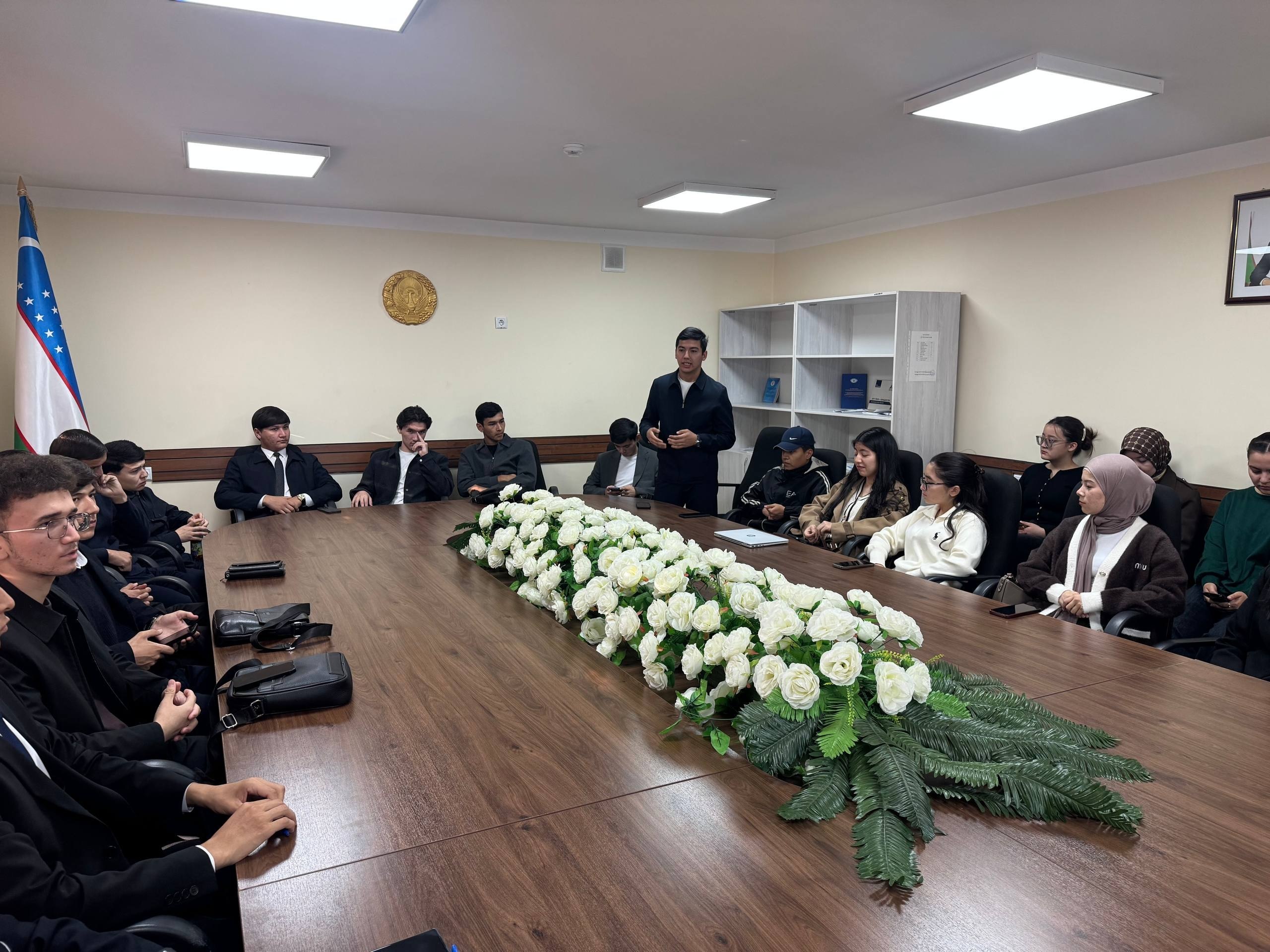
Introductory meetings with volunteers recruited from the university and schools were also organised during the opening ceremonies. The volunteers provided information about their activities, study plans, and innovative methodologies used in foreign language teaching.
The involvement of volunteers in the educational process is expected to expand pupils’ opportunities to communicate in foreign languages, familiarise them with new learning approaches, and increase their motivation to study languages. At the same time, this cooperation will enable university students to apply their knowledge in practice and gain valuable teaching experience.
Another important aspect of the initiative is providing the centres with educational materials. The university donated collections of books to the schools, including international learning materials, workbooks, and modern teaching resources. These materials are intended to broaden pupils’ knowledge, support independent learning, and improve the effectiveness of foreign language acquisition.
Memorandums and Agreements — The Legal Framework for Cooperation
The activities carried out under the initiative are not limited to the opening of new centres. In order to establish systematic cooperation between educational institutions and identify promising areas for future collaboration, relevant agreements were also signed.
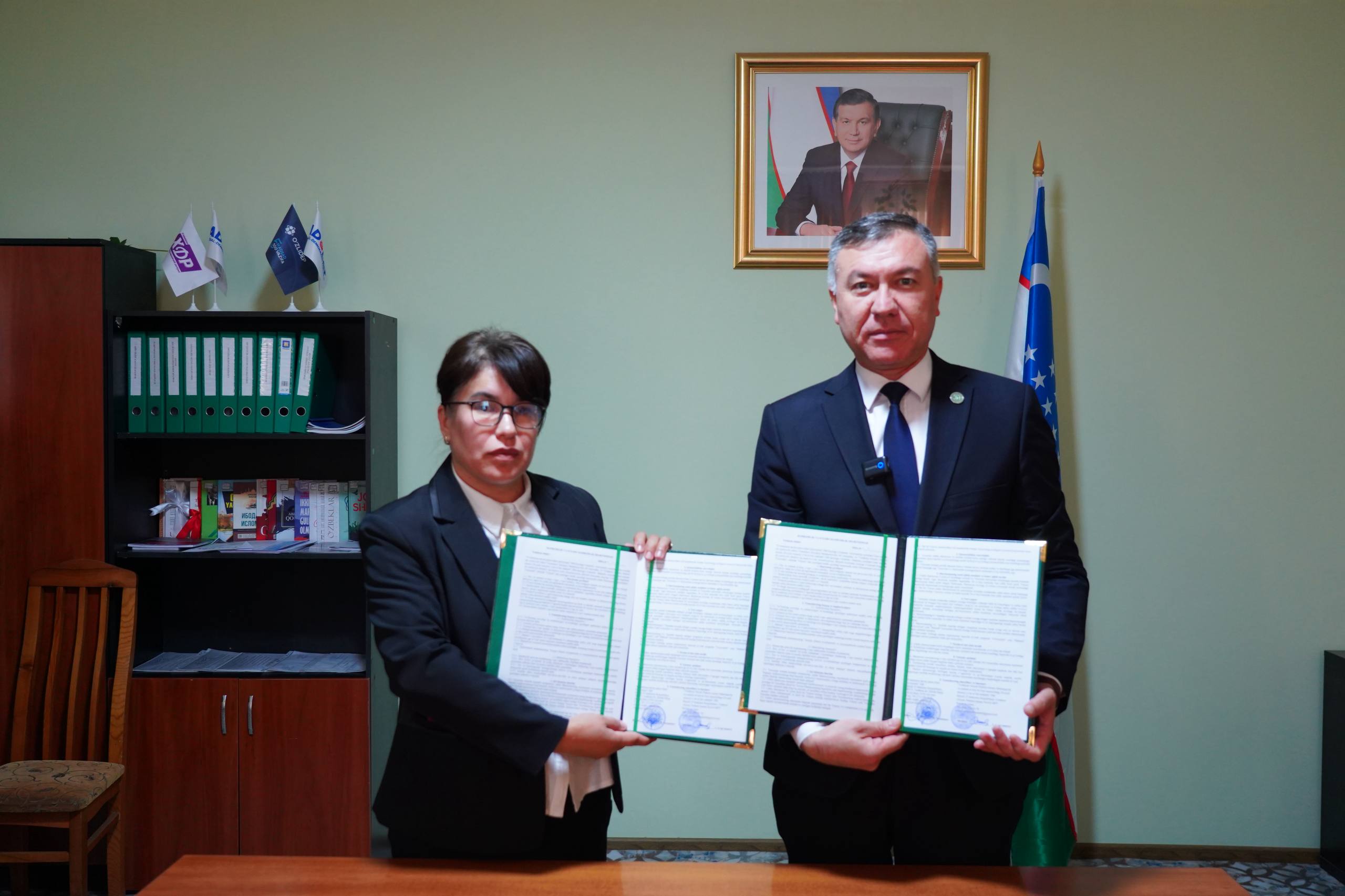
In particular, a Memorandum of Cooperation was signed between the Uzbekistan State World Languages University and the specialised school in Parkent District, which operates under the Agency for Specialised Educational Institutions. The document was signed by Professor Ilkhomjon Tukhtasinov, Rector of the university, and Nabijon Erkinovich Yunusov, Director of the school.
The memorandum outlines several areas of cooperation, including ensuring continuity and consistency in education, exchanging experience in educational methodology and research, organising scientific and methodological seminars and educational events, introducing modern pedagogical technologies into the learning process, and creating additional educational opportunities for pupils. Particular attention will also be given to deepening the foreign language knowledge of pupils and teachers, preparing them for international certification, and expanding access to advanced educational and methodological resources.
Furthermore, a cooperation agreement was signed between the university and General Education School No. 20 in Parkent District. The document was signed by Professor Ilkhomjon Tukhtasinov, Rector of the university, and Lola Atkhamboyevna Agzamova, Director of the school.
The agreement provides for strengthening continuity between school and higher education, exchanging experience in educational methodology and research, conducting scientific and methodological seminars and educational events, introducing modern pedagogical technologies, and establishing a modern learning centre at the school.
One of the specific areas of cooperation is the organisation of courses for pupils and teachers to deepen their foreign language knowledge and prepare for national C1-level certificates or equivalent international certifications. This creates valuable opportunities to improve language proficiency, strengthen pupils’ preparation for subsequent stages of education, and support teachers’ professional development.
Thus, the establishment of new centres, the provision of educational materials, and the signing of cooperation documents are interconnected processes that give the initiative a practical dimension. While the centres provide the necessary environment for learning, the memorandums and agreements serve as a foundation for developing cooperation, exchanging experience, and consistently implementing the objectives set.
Strengthening Links Between Schools and Universities
Another important aspect of this initiative is strengthening continuity between school education and higher education. Pupils generally begin learning foreign languages at school and seek to deepen their knowledge at the university level. Cooperation between universities and schools helps bring these two stages closer together while allowing pupils to become familiar with the academic environment and educational opportunities offered by higher education institutions at an earlier stage.
By applying the academic and methodological expertise of the Uzbekistan State World Languages University and engaging its teaching staff and students in school education, it is possible to make the foreign language learning process more engaging and effective. At the same time, the exchange of experience between schoolteachers and university specialists creates a foundation for developing new approaches aimed at improving the quality of education.
The activities of these centres are expected to help students strengthen their foreign language proficiency, prepare for international and national language certificates, make effective use of educational programmes, and develop the language skills necessary for choosing a future career.
Opportunities for the Future
The centres established as part of the “A Path to the Future Through Foreign Languages” initiative, cooperation agreements signed between educational institutions, modern teaching materials, and the participation of volunteers are all aimed at achieving a common goal: creating a favourable learning environment for young people to acquire foreign languages proficiently.
The effectiveness of the initiative is closely linked to the regular organisation of classes at the centres, improvements in students’ language proficiency and practical skills, the methodological experience of teachers, and the consistent implementation of the tasks outlined in cooperation agreements.
In this regard, the partnership being established between Uzbekistan State World Languages University and general education schools represents a consistent initiative aimed at expanding young people’s opportunities to learn foreign languages, strengthening links between different stages of education, and laying the foundation for their future academic and professional development.