
 2026-05-14 10-48
 A Republican Scientific and Practical Conference on Modern Approaches to Teaching Eastern Languages Was Held at UzSWLU
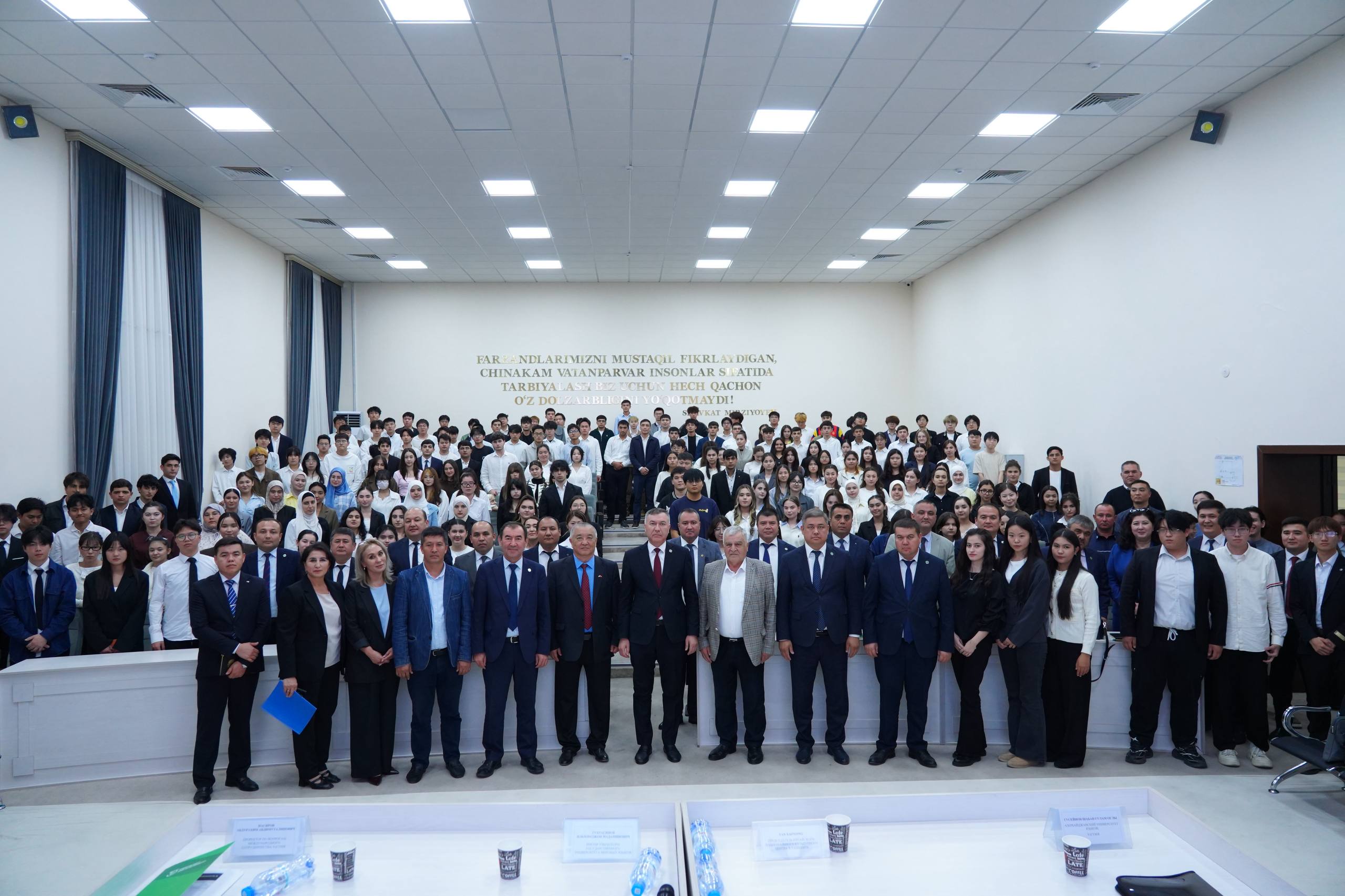
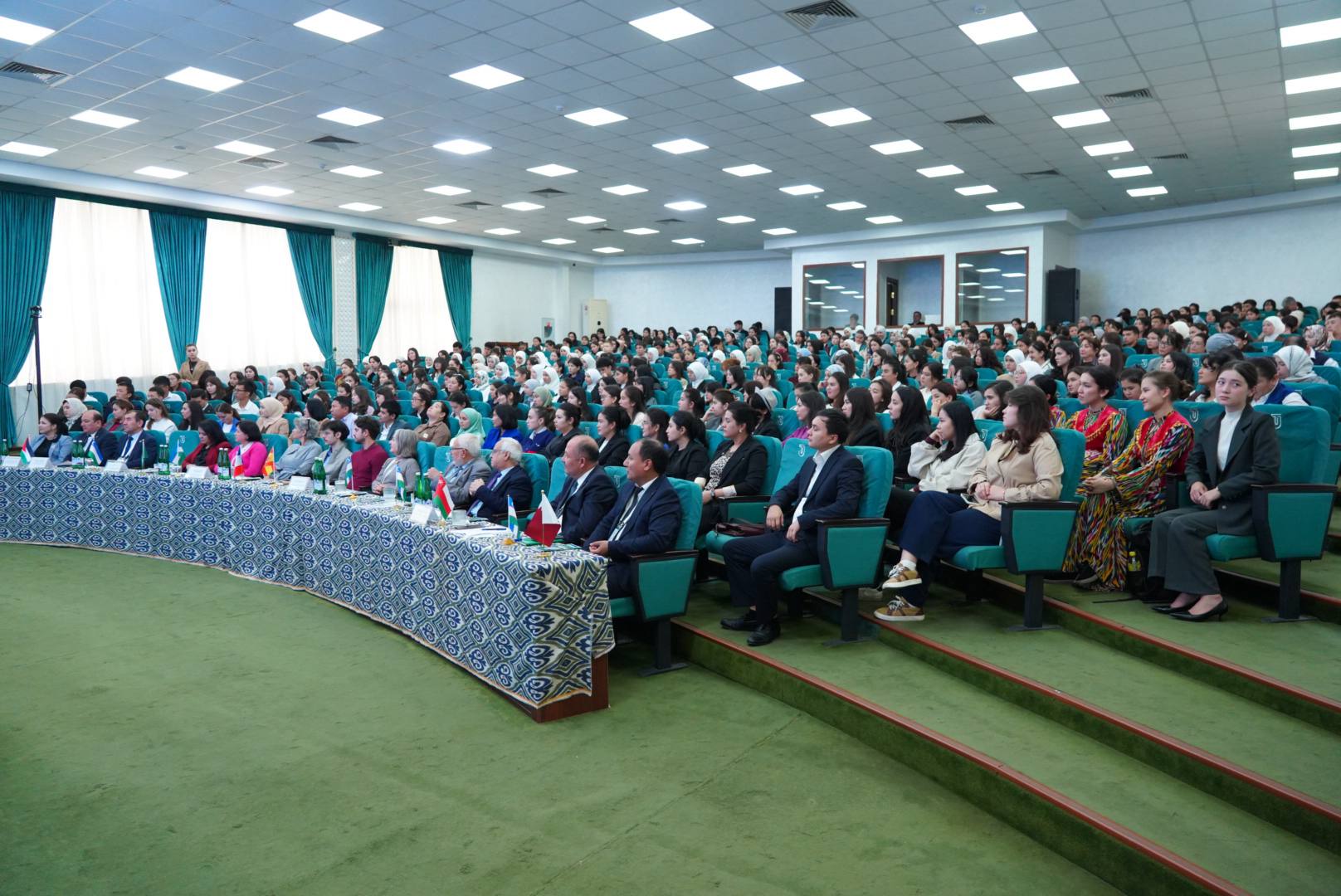
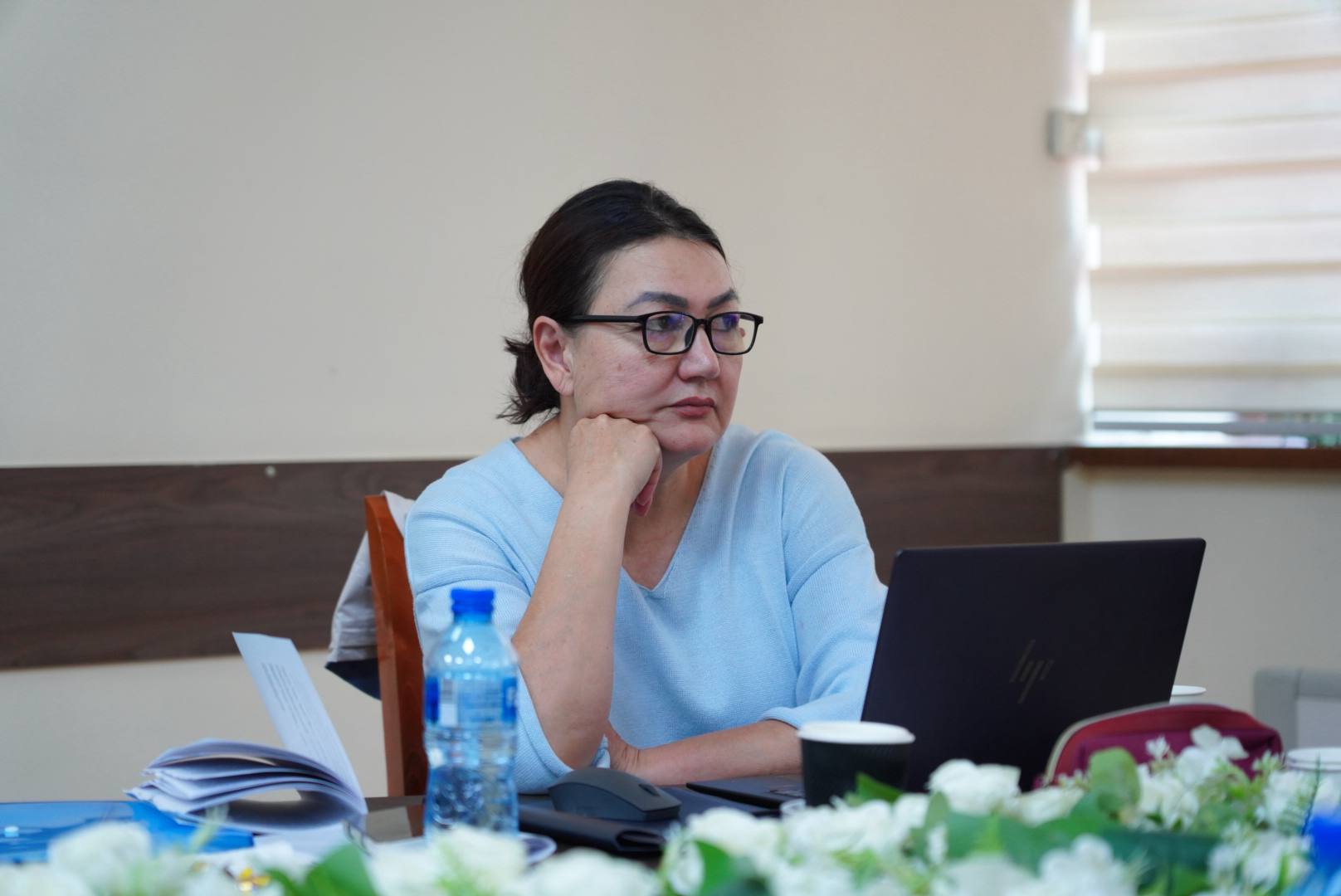
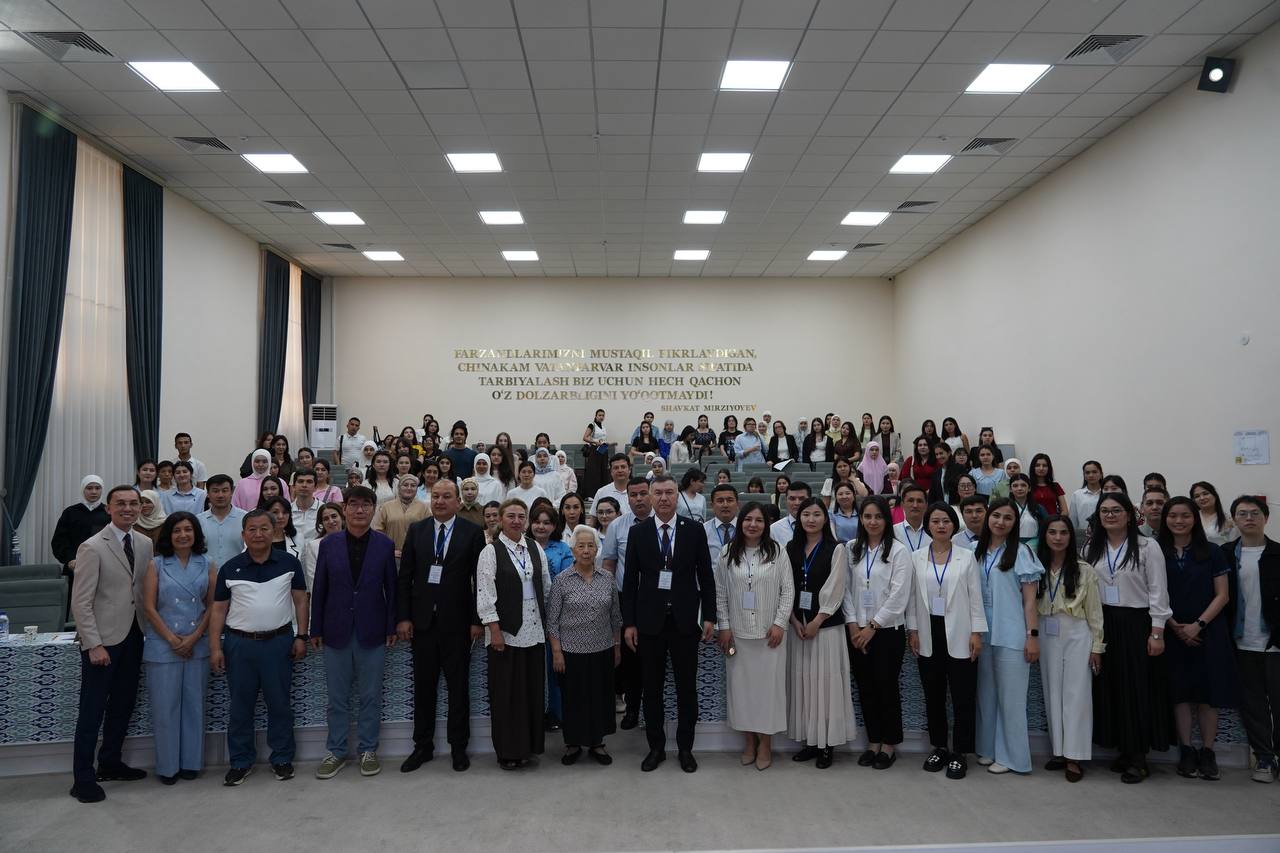
On May 12, the Uzbekistan State World Languages University organized a Republican scientific and practical conference entitled “Modern Approaches and Innovative Trends in Teaching Eastern Languages to a New Generation of Students,” dedicated to the 34th anniversary of the university.
The conference focused on current issues in foreign language teaching methodology, the integration of artificial intelligence technologies into the educational process, modern pedagogical approaches, and pressing issues in linguistic research.
The conference was opened with an introductory speech by the university rector, Ilxomjon Tuxtasinov, who particularly emphasized the importance of innovative educational technologies in today’s era of globalization, the application of modern methods in foreign language teaching, and the development of scientific research.
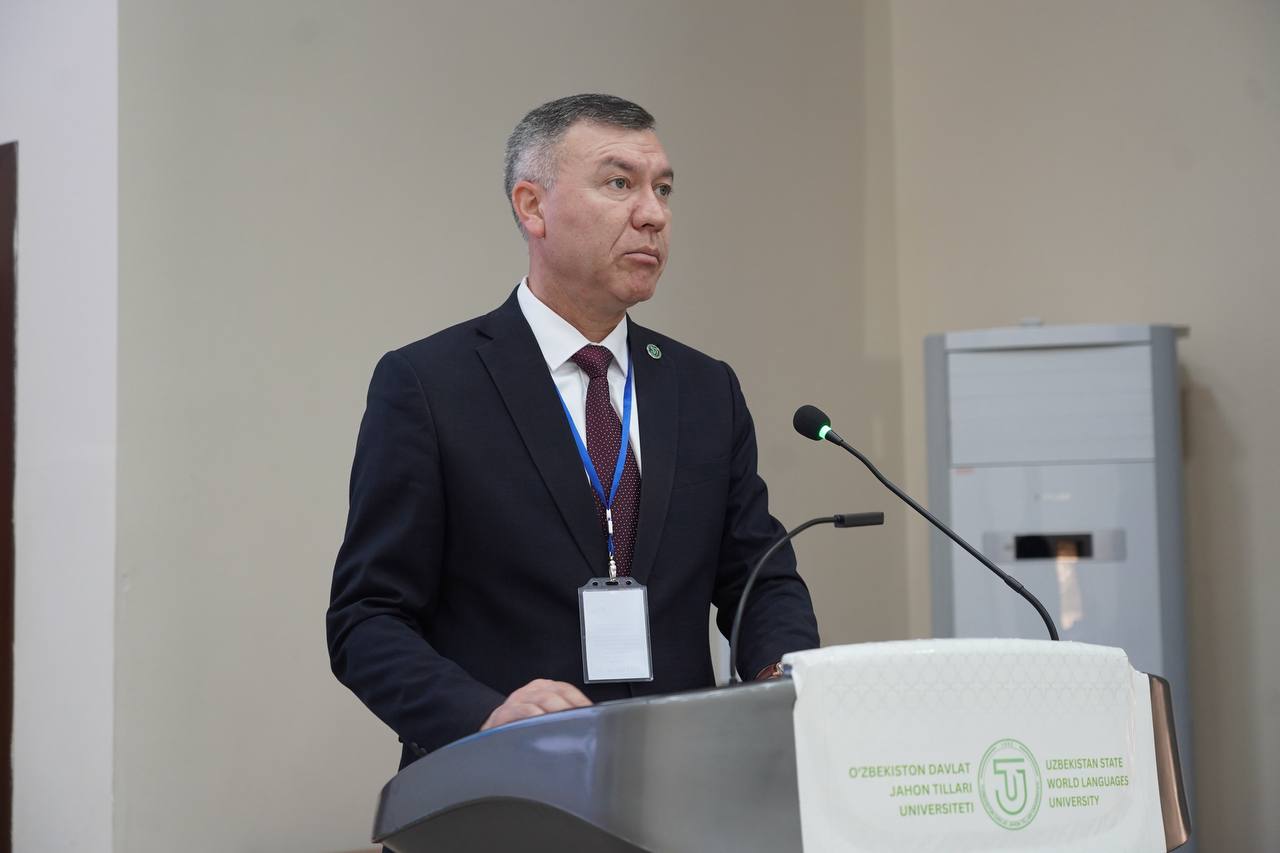
Within the framework of the conference, local and international scholars and researchers delivered a number of academic presentations. In particular, Ma Lei presented a report entitled “Research on the Importance and Necessity of Applying Phonetic Instruction in Chinese Language Classes in Uzbekistan,” Sultanova Lola Akmalovna spoke on “The Use of Artificial Intelligence Technologies to Improve the Effectiveness of Chinese Language Teaching,” and Choi Seong Hoon delivered a presentation on “Learning Korean Speaking Skills with the Help of Artificial Intelligence.”
In addition, Na Jongip presented his views on “Analysis of the Issue of the Flow of Time in Literary Works,” Absalomov Mirolim Sharif o‘g‘li discussed “A Linguistic-Typological Comparative Study of Personal Pronouns in Korean and Uzbek Languages,” while Ibragimova Malika Musayevna delivered a presentation on “Developing Students’ Speaking and Listening Skills Through Video Content.”
During the conference, participants exchanged views on implementing modern educational technologies in practice, teaching foreign languages through innovative methods, and expanding international scientific cooperation.
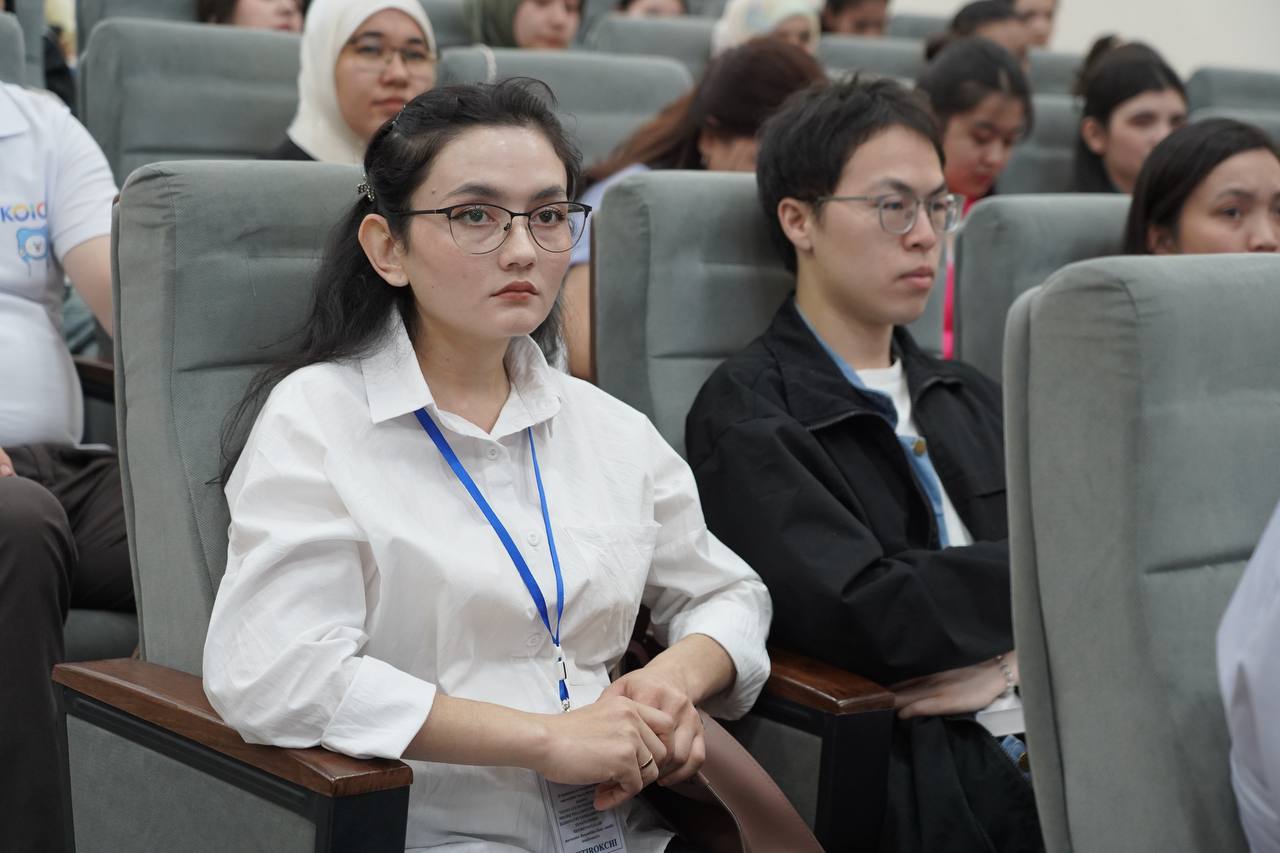
The conference was recognized as one of the important academic platforms serving to exchange scientific experience, discuss new research directions, and support young researchers.