
 2026-10-02 11-55
 “European Day of Languages”: Parallel Sessions on European Languages and Cultures Organized
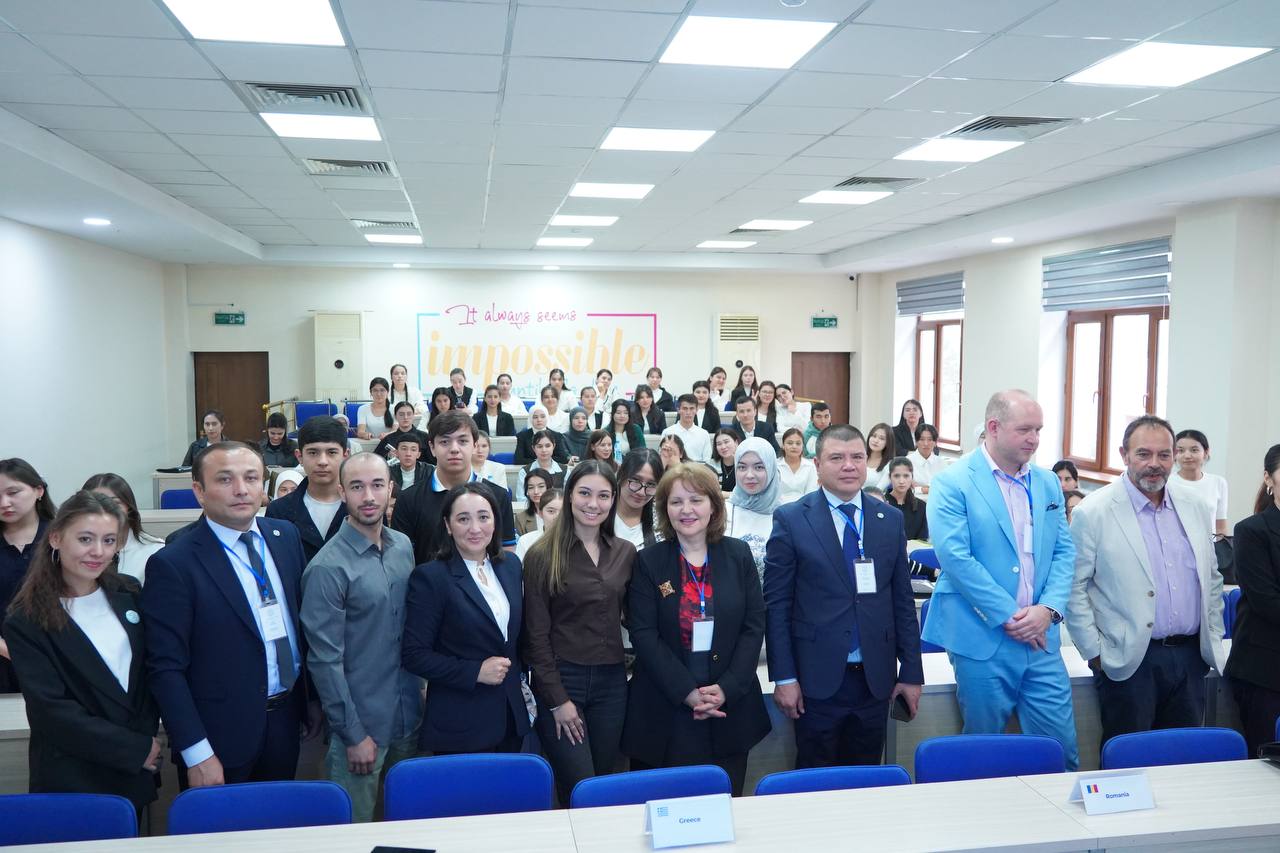
The main part of the international event dedicated to the “European Day of Languages” continued at Uzbekistan State University of World Languages in the format of parallel sessions.
As part of the event, representatives of European diplomatic missions, international organizations, and cultural centers delivered 25-minute presentations dedicated to various European languages and the cultures of European countries.
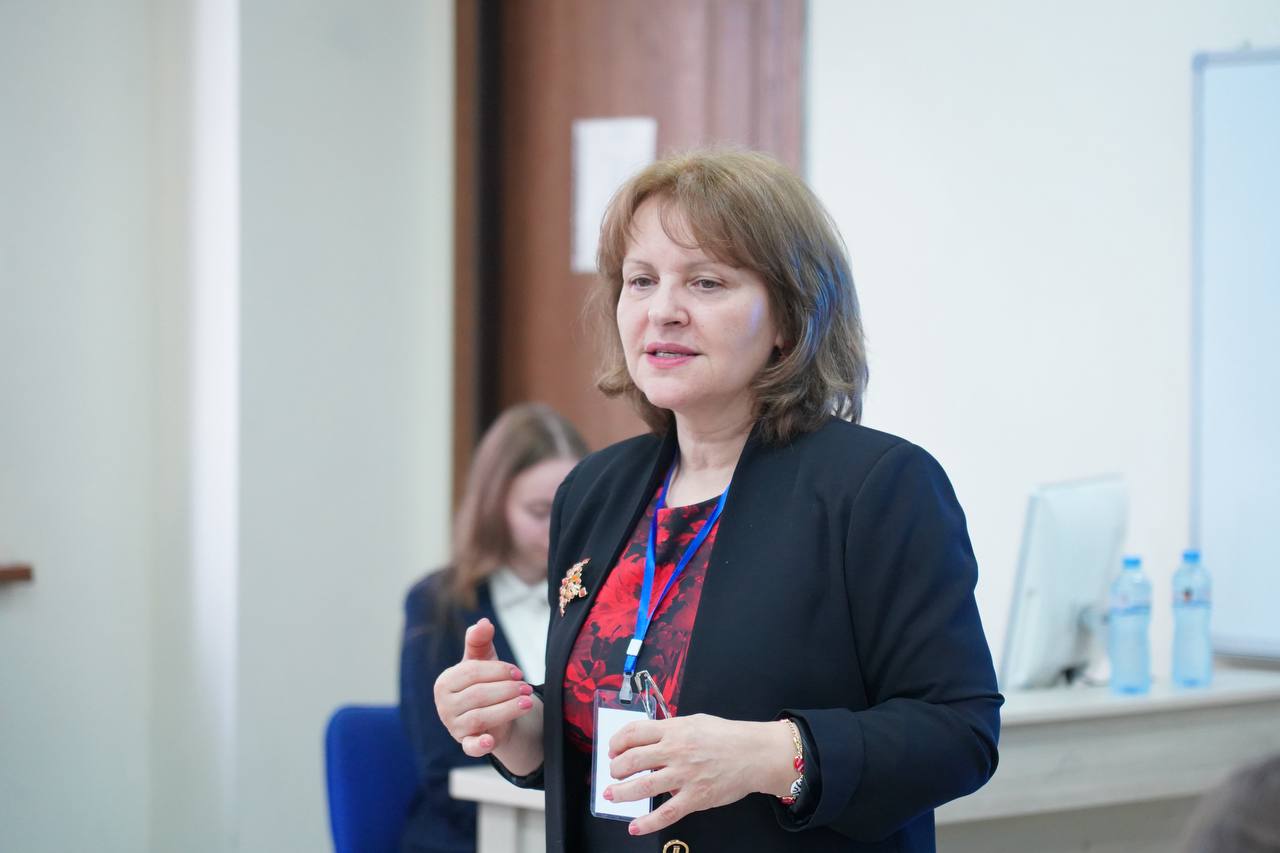
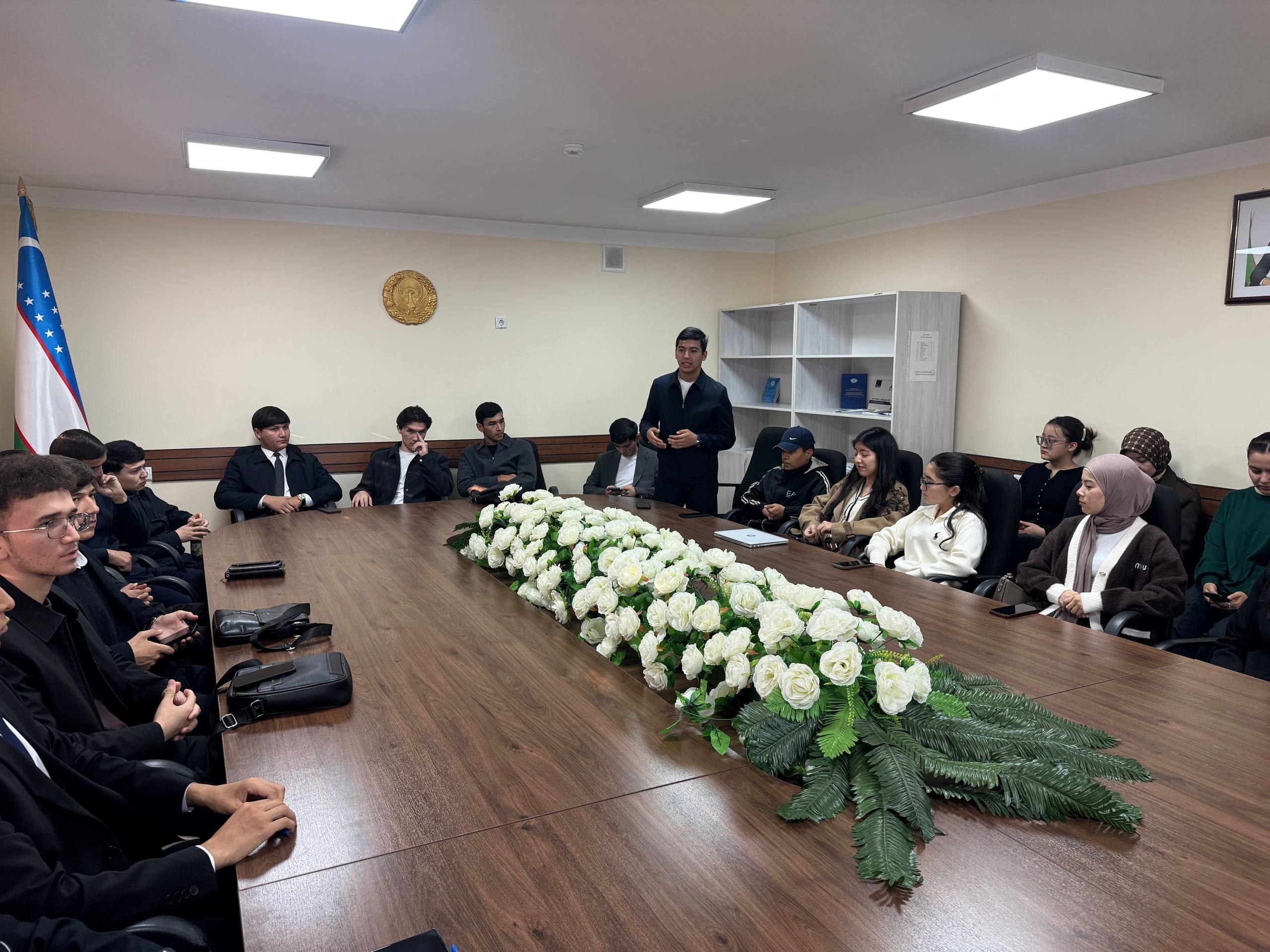
The presentations were held simultaneously in four small lecture halls equipped with computers and screens. Students had the opportunity to learn more about everyday expressions in various European languages, conversational features, distinctive characteristics of the languages, as well as national cultures and traditions.
The sessions featured presentations on the languages and cultures of Italy, Romania, the Czech Republic, Germany, France, Switzerland, Hungary, Spain, the United Kingdom, Poland, Estonia, and the Netherlands. Representatives of diplomatic missions, international organizations, and cultural centers directly engaged with students and shared interesting information about their countries.
Separate sessions also featured interactive language-learning activities, commonly used expressions for everyday communication, and cultural quizzes, ensuring active participation by students.
In addition, a “Language and Culture Fair” was organized in the university foyer. Separate tables and stands were allocated to participating countries, showcasing materials on their languages, history, culture, national traditions, and educational opportunities.
Alongside representatives of European embassies and organizations, volunteer students from Uzbekistan State University of World Languages actively participated in the fair. They assisted in welcoming guests, facilitating communication, and supporting the interpretation process.
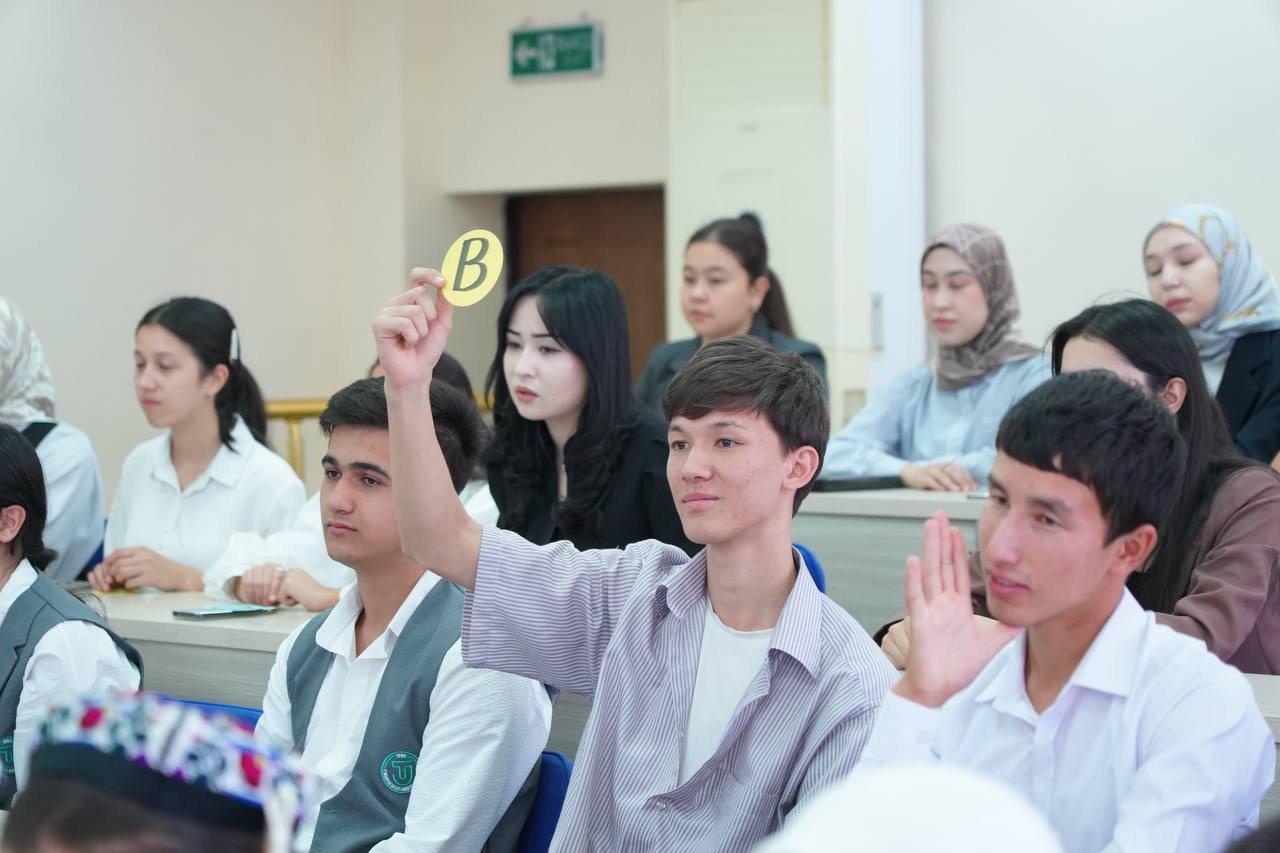
Throughout the event, UzSWLU students had the opportunity to directly explore the languages and cultures of European countries, communicate with representatives of different countries, use foreign languages in a practical environment, and learn about international education opportunities.
The sessions held as part of the “European Day of Languages” were aimed at increasing students’ interest in learning foreign languages and promoting multilingualism and intercultural dialogue.