
 2026-06-12 01-08
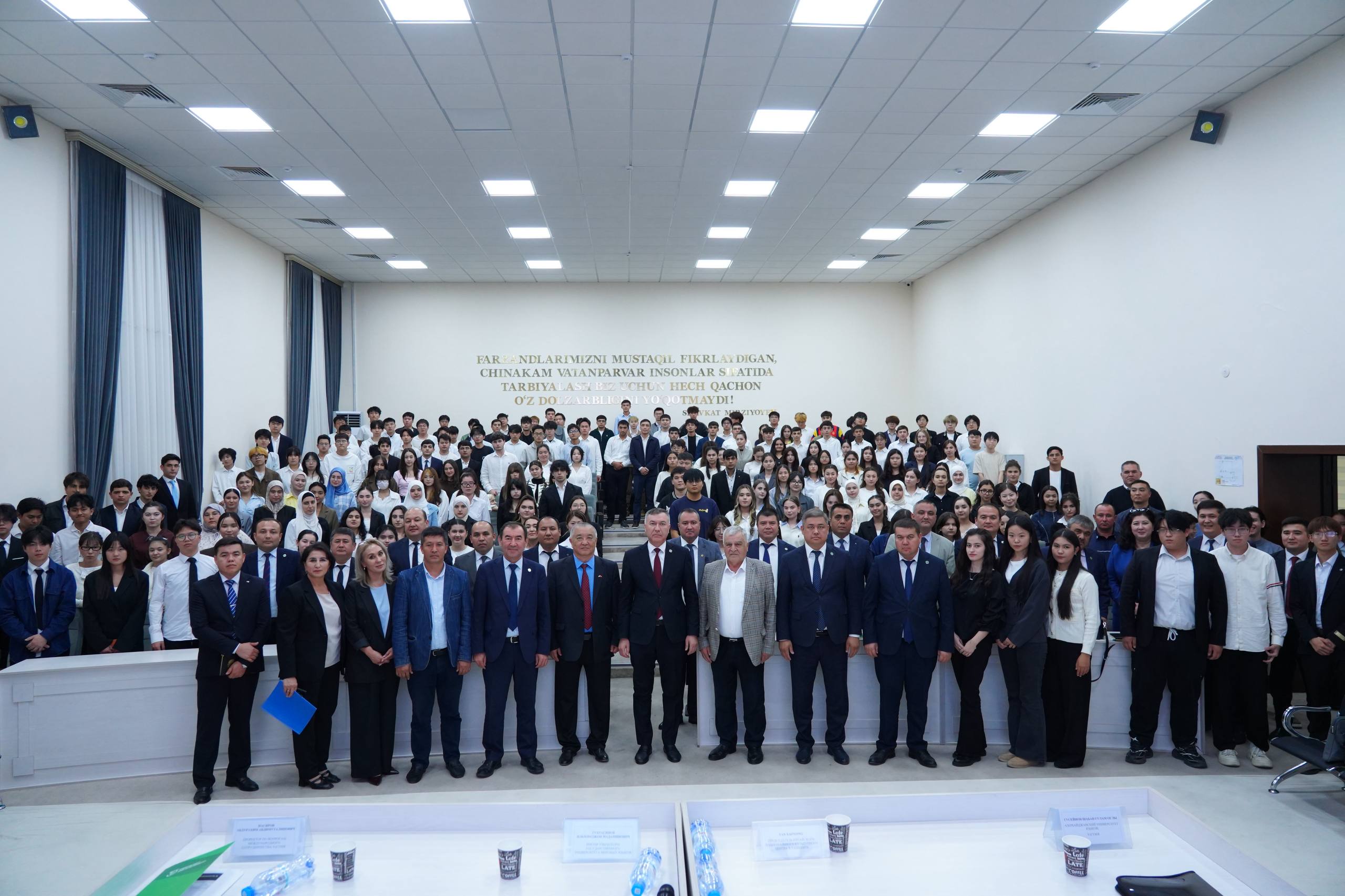
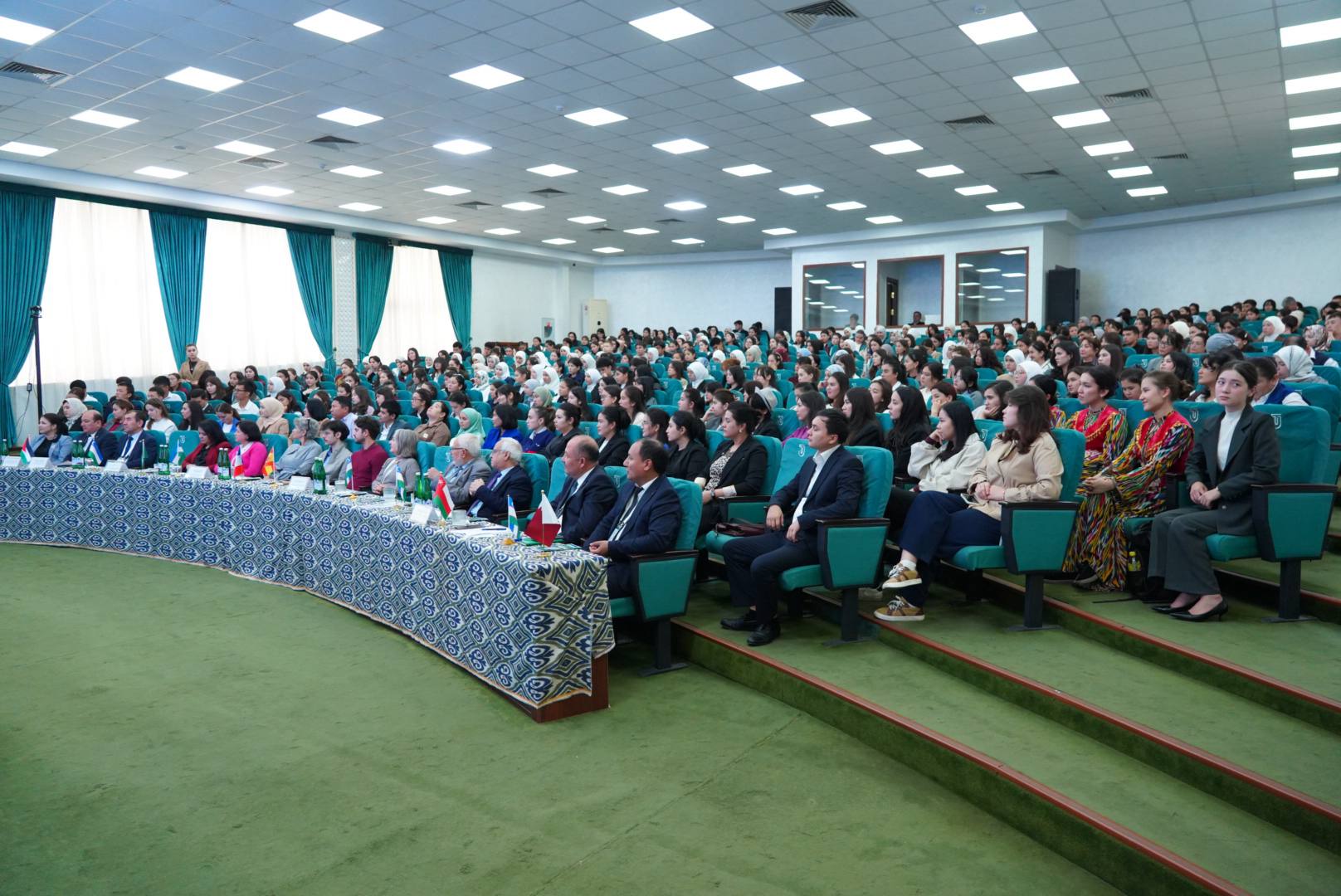
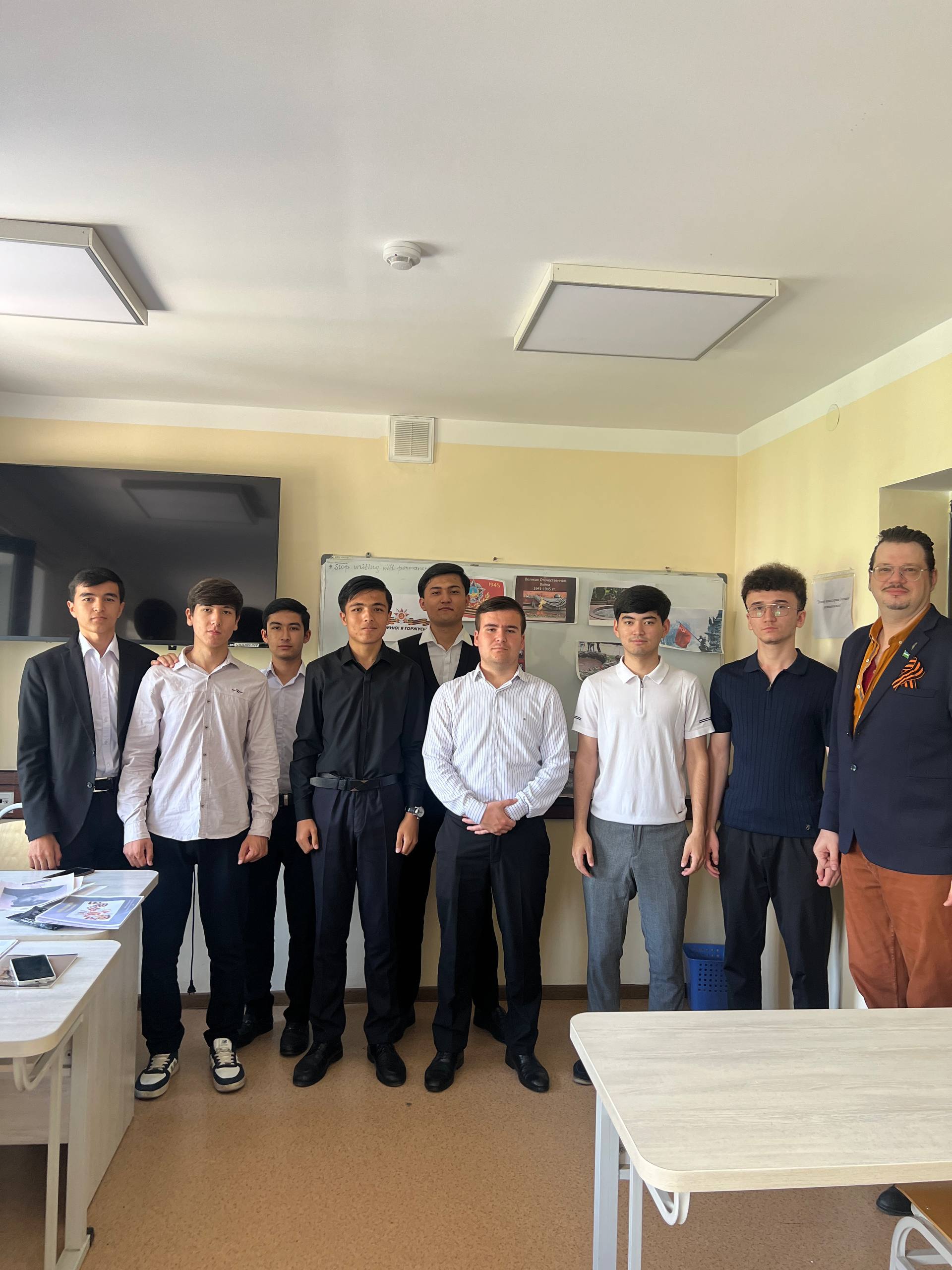
 In Group 2501 of the “Political Science” program at the Faculty of International Journalism, an event dedicated to the Day of Remembrance and Honor was held on May 6, 2026.
Students of Group 2501 of the Faculty of International Journalism, “Political Science” program, presented reports prepared under the supervision of Associate Professor Denis Yuryevich Elkin, PhD, from the Department of Modern Russian Language. In their presentations, they highlighted Uzbekistan’s significant contribution to the victory over fascism. In particular, it was noted:
“More than 2 million people from the Republic of Uzbekistan went to the front, and nearly half a million of them did not return home.”
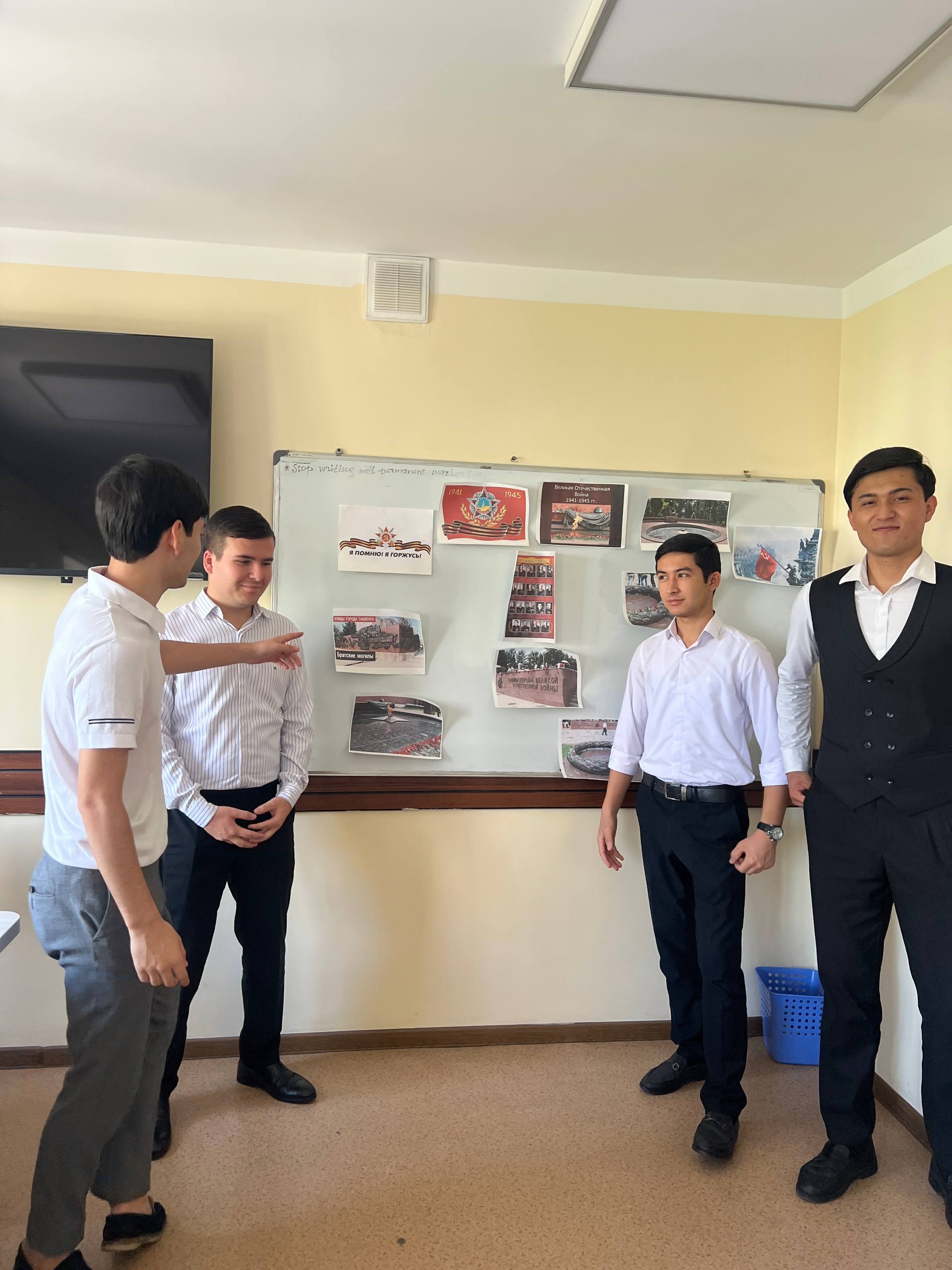
Special attention was given to the importance of historical memory and the role of society in preserving the truth about the events of the Great Patriotic War. During discussions, students emphasized that in the difficult war years, people of different nationalities united for a common goal — the defense of peace and freedom.
Within the framework of the event, participants also recalled the Monument of Friendship of Peoples in “Khalklar Dustligi” Square in Tashkent — a monument to the Shakhmakhmudov family, who during the war took in and raised 16 orphaned children of different nationalities. This example was presented as a symbol of unity, mutual respect, and brotherhood among peoples.
Students shared stories about their families, speaking about their great-grandfathers and great-grandmothers who experienced the war, worked in the rear, and defended their homeland at the front. These memories became living evidence that the memory of the war is preserved in every family and passed down from generation to generation.
During the event, the legendary voice of Yuri Levitan — the “voice of an era, the voice of Victory, the voice of an entire generation” — was heard, supporting people during the most difficult days of the war. Students also performed wartime songs such as “Zhuravli,” “Katyusha,” “Dark Night,” “Victory Day,” and other works that have become part of shared historical memory.
In conclusion, it was emphasized that studying history is an essential part of preserving national identity and culture. A person who knows the history of their country, people, and family possesses inner strength and is able to remain faithful to their convictions.
It was particularly emphasized that it is necessary to counter attempts to distort and rewrite historical events. Historical memory should form a kind of social immunity that protects young people from misinformation, value distortion, and the loss of connection with historical roots.